
Muffled hearing can impact every facet of your life, leaving you feeling confused and isolated from the world around you. It is common to presume that muffled sound signifies long-term hearing deficiency, but the issue is often just a treatable earwax blockage.
Recognizing how to tell these two conditions apart guarantees you obtain the appropriate care, whether that is professional wax removal or a diagnostic hearing test. There is no reason to feel stressed if sounds seem muted. A consultation can help you get to the bottom of it, but in the interim, here’s what you need to know about earwax buildup (also known as cerumen impaction) vs. hearing loss.
Recognizing the Markers of Canal Obstruction
Cerumen (wax) is a normal, defensive substance that helps trap dust and debris and keeps the ear canal healthy. Problems occur when too much wax accumulates or turns clogged.
Standard indicators of an obstruction include:
- Progressive or sudden muffled hearing
- The sense that there is a physical obstruction in the ear
- Canal irritation or slight pain
- Ringing in the ear (tinnitus)
- Instances of clearer hearing after a yawn or chewing
Earwax-related hearing issues are often uneven, affecting one ear rather than the other. Luckily, once surplus wax is professionally extracted, hearing often returns to baseline instantly.
How Hearing Impairment Typically Presents
Unlike a temporary blockage, sensorineural hearing impairment usually progresses steadily over decades and is not fixed by clearing the canal.
Markers of permanent hearing loss often involve:
- Trouble comprehending conversation, especially in noisy environments
- Constantly requesting others to restate themselves
- Increasing the TV or phone volume higher than others prefer
- Diminished sensitivity to higher-pitched auditory input
- A balanced decrease in hearing ability in both ears
A vital distinction is that actual loss lacks the physical “clogged” sensation that accompanies an earwax impaction.
Key Differences at a Glance
By looking at the onset and particular markers, you can frequently identify which issue is affecting you:
- Timing: Cerumen blockages often come on suddenly; hearing loss develops gradually
- Longevity: Cerumen issues are fixable and temporary, whereas loss is usually chronic
- Sensations: Physical “clogging” leads to cerumen, while the inability to clarify sounds points to impairment
- Laterality: Wax often affects a single ear; hearing loss commonly impacts each
Why Clinical Consultation is Crucial
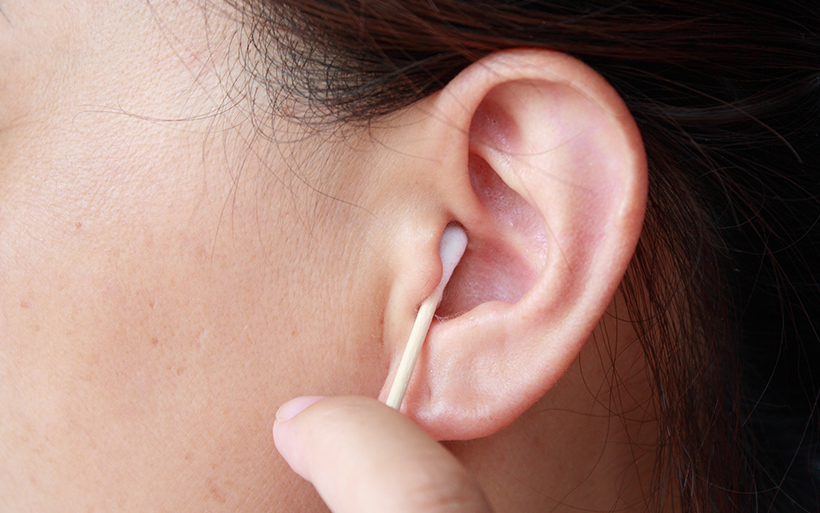
When hearing feels muffled, the instinctive urge is to use a Q-tip, but this is often a dangerous move. Using external items typically shoves the obstruction deeper into the ear, increasing the danger of trauma.
Based on data from the NLM, inserting items into the auditory canal increases the likelihood of blockage and injury.
Postponing a professional evaluation for real impairment can result in losing out on solutions that protect your future mental and social well-being.
Ways a Clinical Exam Assists
A specialist can use an otoscope to immediately visualize if a physical obstruction is visible.
When cerumen is the cause, clinical irrigation or manual clearance provides instant resolution.
Should the ear canal be clear but hearing struggles continue, a hearing test can evaluate whether hearing loss is present and determine its category and severity.
The National Institute on Deafness and Other Communication Disorders (NIDCD) advises prompt assessment anytime shifts in auditory function conflict with your everyday routine.
Final Points on Cerumen and Auditory Wellness
Muted auditory quality is hardly a certain marker of long-term loss.
It is frequently the case that a basic, treatable blockage is the source of the issue.
A professional evaluation will provide you with the clarity you need to advance without concern.
Remember: The sole accurate way to tell the distinction between cerumen impaction and auditory impairment is with a clinical evaluation.
Treating the concern now halts the stress of the unknown and puts you on the path to improved hearing.
If your hearing feels off, don’t guess. A brief exam can provide all the difference, so contact our practice of specialists today.